Farming is typically the practice of raising animals and growing crops in large open fields, but it has evolved beyond that and it needs to evolve further.
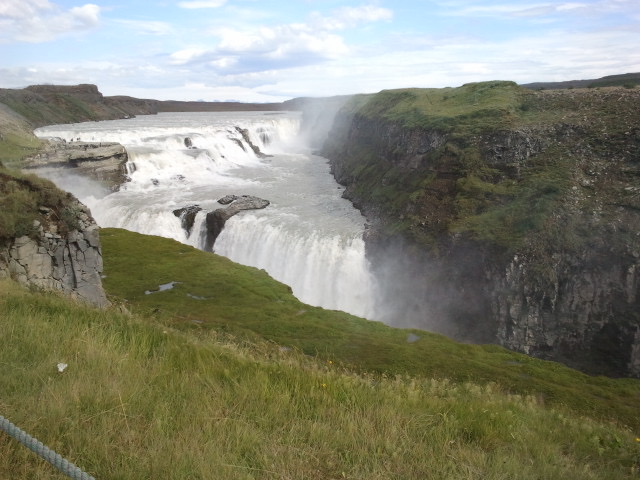
I visited Iceland in 2012 and a tour guide made a point of drawing my attention to the bananas growing in a greenhouse, something that has stuck with me since then. Around 80 years ago, Iceland started growing the fruit themselves and while it is not produced on a large scale anymore, bananas are still grown there.
The idea that an exotic fruit farm could exist in an country whose capital has average temperatures of 1-2ºC in winter is exciting. Of course despite the coldness, easy access the geothermal energy made this an affordable option. Creative and innovative opens up opportunity in farming. Take for example the Netherlands who, despite being the 134th country in the world when ranked by area, are the second largest exporter of food. How do they do it? Through years of research and development they have refined their farming techniques. They boast greenhouses with rows of healthy crops growing fifteen metres tall, water-saving techniques and limited pesticides being employed. They supplement animal feed with waste by-products. It’s refreshing, and importantly they are maximising the limited space available to them.
Compare this with efforts to destroy rainforests across the globe in favour of farmland. What if they built upwards instead of sideways? The vast palm oil plantations in South-East Asia would argue they cannot help but take up more land, but that destruction of habitats is another story.
The world population continues to grow and as a consequence the demand for food rises with it. We need to advance our farming methods before we run out of land to expand into because there is nothing worse than losing the natural beauty of our planet.
 Firas Ur-Rub